So, the individual will need to drink more to experience the same effects. Multiple neurotransmitter systems have been implicated in acute and chronic tolerance. Many of those systems (mainly within-system) overlap with those of rapid tolerance (described below). However, a description of these systems is beyond the scope of the present mini-review. Alcohol regulation via a miR-9–dependent mechanism has the potential for a wide-ranging role in plasticity because many potential miR-9 targets also are regulated by alcohol (Pietrzykowski et al. 2008).
George F Koob

With time, however, that dosage amount no longer gives you the same results. This indicates that your body has alcoholism symptoms learned how to metabolize the substance more efficiently. In a bid to do that, the brain upregulates (i.e., increases the activity of) the glutamate system to compensate for the increased activity of the GABA system.
Your addiction does not have to define who you are.
Here is the answer to a frequently asked question about alcohol tolerance. The alcohol unit most preferably refers to the alcoholic beverage you consume and the percentage of alcohol present within the drink. For instance, a single serving of scotch will be one unit that is approximately 25ml of scotch. On the contrary, 1 pint of beer with an ABV rating of 4 percent will make up 2.3 units of alcohol. It is tempting to add soft drinks with your alcohol to reduce its effect, but this is a rookie’s mistake and is build up alcohol tolerance the last thing you should do at a party. Don’t ever use soft drinks if you don’t want to give up in the middle of the race.
Tips to Lower Tolerance and Prevent Abuse

Having a high tolerance makes you less prone to alcohol’s impairing effects. Learned tolerance, also called behaviorally augmented tolerance, is a classic sign of functional alcoholism. However, not all people with a learned tolerance are high-functioning alcoholics. Alcohol tolerance that occurs in a single drinking session is called acute tolerance.
Begin The Journey To Lasting Recovery
- You’re heading to the holiday party, and you’re intent on impressing your bosses, in-laws, or significant other’s friends with your worldliness and savoir-faire.
- Gradually increasing how much you drink can improve your tolerance to alcohol.
- On the other hand, you can be diagnosed with AUD without exhibiting alcohol tolerance, as long as you meet the criteria.
- This advertisement is clearly marked and is separate from our editorial content.
But in recent years, researchers discovered that the feeling of enjoyment that accompanies a few beers starts to completely disappear when you drink beyond than the legal .08 blood alcohol content limit. Alcohol significantly increases the activity of the GABA system – it does some of that directly, while some of that is done by inhibiting glutamate activity. Now, the brain’s job is to maintain homeostasis (a self-regulating process by which biological systems tend to maintain stability while adjusting to external conditions), so that you don’t die.
Alcohol Dependence
- By this mechanism, the number of transcripts is reduced and their absolute and relative amounts are altered.
- Alcohol regulation via a miR-9–dependent mechanism has the potential for a wide-ranging role in plasticity because many potential miR-9 targets also are regulated by alcohol (Pietrzykowski et al. 2008).
- Alcohol is a diuretic, which means it makes you pee more, which can lead to dehydration.
- The only way to lower your tolerance for alcohol is to break the cycle of drinking.
- We then briefly describe chronic tolerance, followed by a longer discussion of behavioral and neurobiological aspects that underlie rapid tolerance in rodent models.
This process includes understanding the difference between different drinks, choosing the right food to enjoy with your drink, choosing your ABV (Alcohol By Volume) level, and drinking lots of water. High tolerance also makes many alcoholism treatments less effective, making recovery harder. Tell your family and friends that you’re aiming to stop drinking alcohol and explain why. Frequently reminding yourself and the people close to you why you want to stop drinking can help keep you on track, and may even encourage someone else to give up or cut down with you. If you’re worried that you have symptoms of alcohol dependence, talk to your GP or seek further information from a support service before stopping.
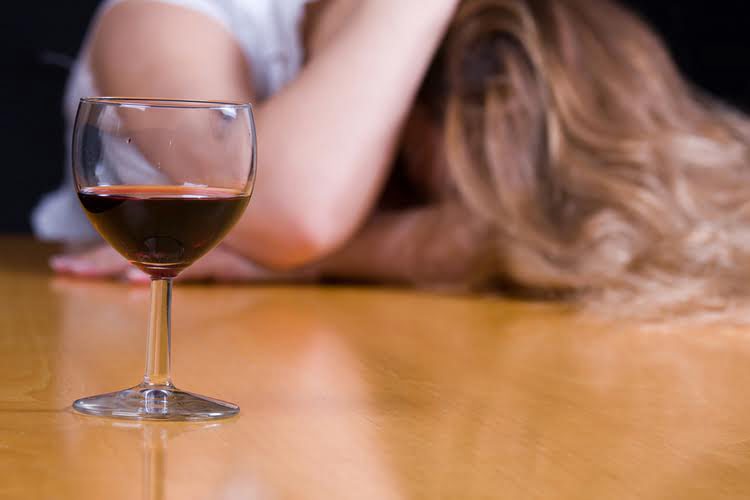
How Can I Avoid Developing a Tolerance to Alcohol?
Because alcohol tolerant individuals have to drink more alcohol to feel the same effects, they are likely to drink more per occasion. When you consume alcohol, https://www.rosannaperrone.it/alcohol-withdrawal-timeline-when-to-watch-out-for/ it will affect your health and behavior largely. You might get out of control and behave madly, shout or even burst out of anger unnecessarily. Thus, drinking too much alcohol or having more than you can control can potentially ruin your reputation with others. To drink more without getting drunk, pace yourself, hydrate between drinks, eat before drinking, and choose drinks with lower alcohol content.